
Cedar Tree Removal
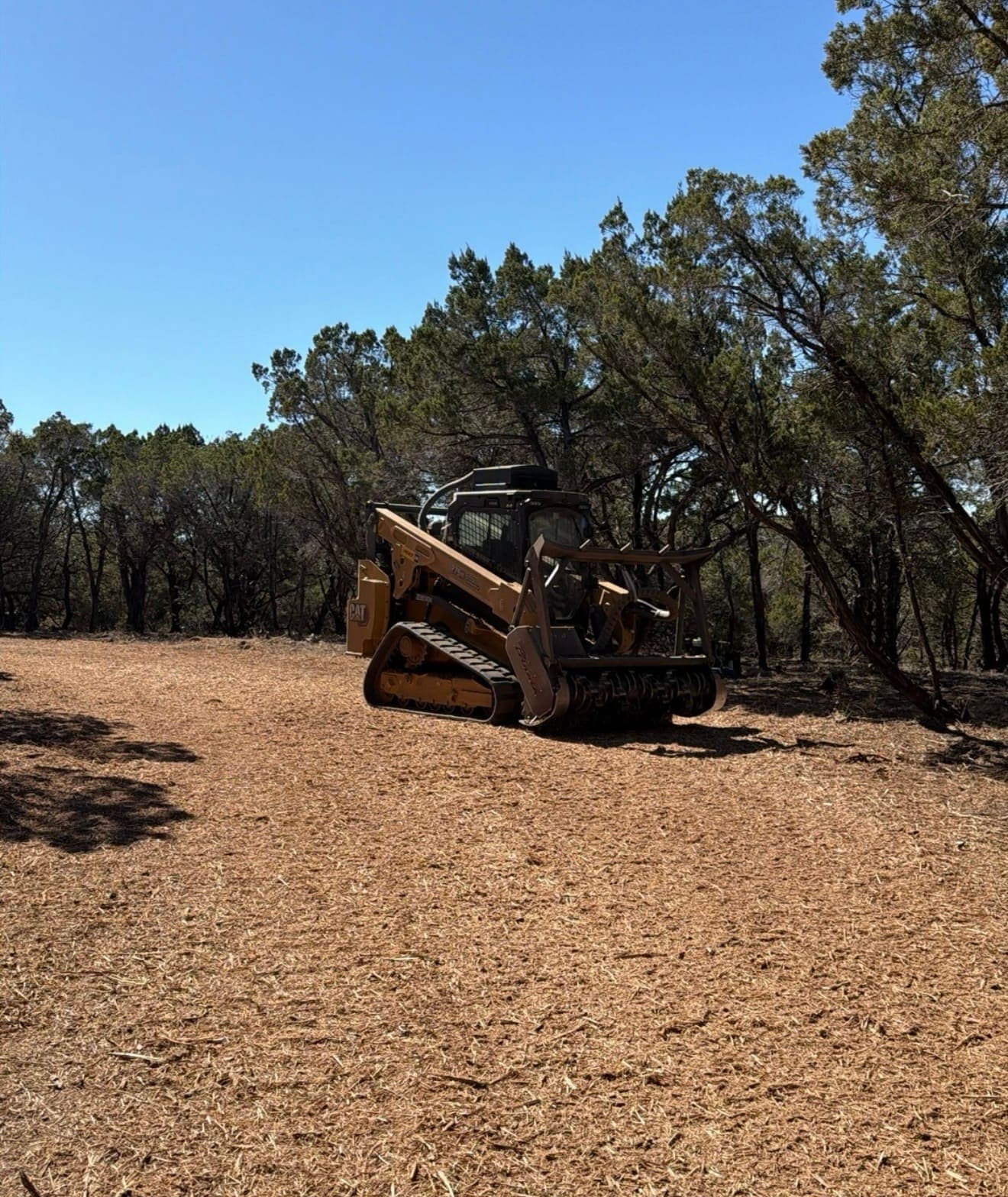
Estimated Cost
$1,500 – $4,500+
per acre
Pricing depends on cedar density, tree size, and whether removal is selective or complete.
Get a Free EstimateTexas cedar (Ashe juniper) is one of the most aggressive invasive species on Central Texas land — a single mature tree can pull up to 30 gallons of groundwater a day, choking out native grasses and starving desirable hardwoods. Cedar removal restores that balance, opening up pasture, improving water availability, and cutting wildfire risk in one project.
Written by Grounded Land Services — Central Texas land clearing professionals, based on firsthand experience working properties throughout the region.
What Is Cedar Removal?
Cedar removal is the process of removing unwanted cedar trees from a property to reclaim usable land, improve access, open views, and make acreage easier to manage.
In Central Texas, "cedar" commonly refers to Ashe juniper, a native tree that is widespread throughout the Texas Hill Country. When cedar becomes dense, it can overtake pastures, grow along fence lines and access roads, obstruct views, and make portions of a property difficult to use or maintain.
Cedar removal doesn't always mean clearing every tree from a property. Depending on your goals, we can selectively remove unwanted cedar while preserving mature oaks, desirable vegetation, wildlife areas, structures, and other features you want to keep.
Our cedar removal services can be used for:
- Overgrown pastures and acreage
- Ranch and recreational properties
- Cedar-covered fence lines
- Driveways and access roads
- Areas around homes, barns, and shops
- Opening property views
- Reclaiming previously unusable land
- Preparing areas for future improvements
Completed land clearing project
Every property is different. Cedar density, tree size, terrain, access, surrounding vegetation, and your desired finished result all influence how the work should be approached.
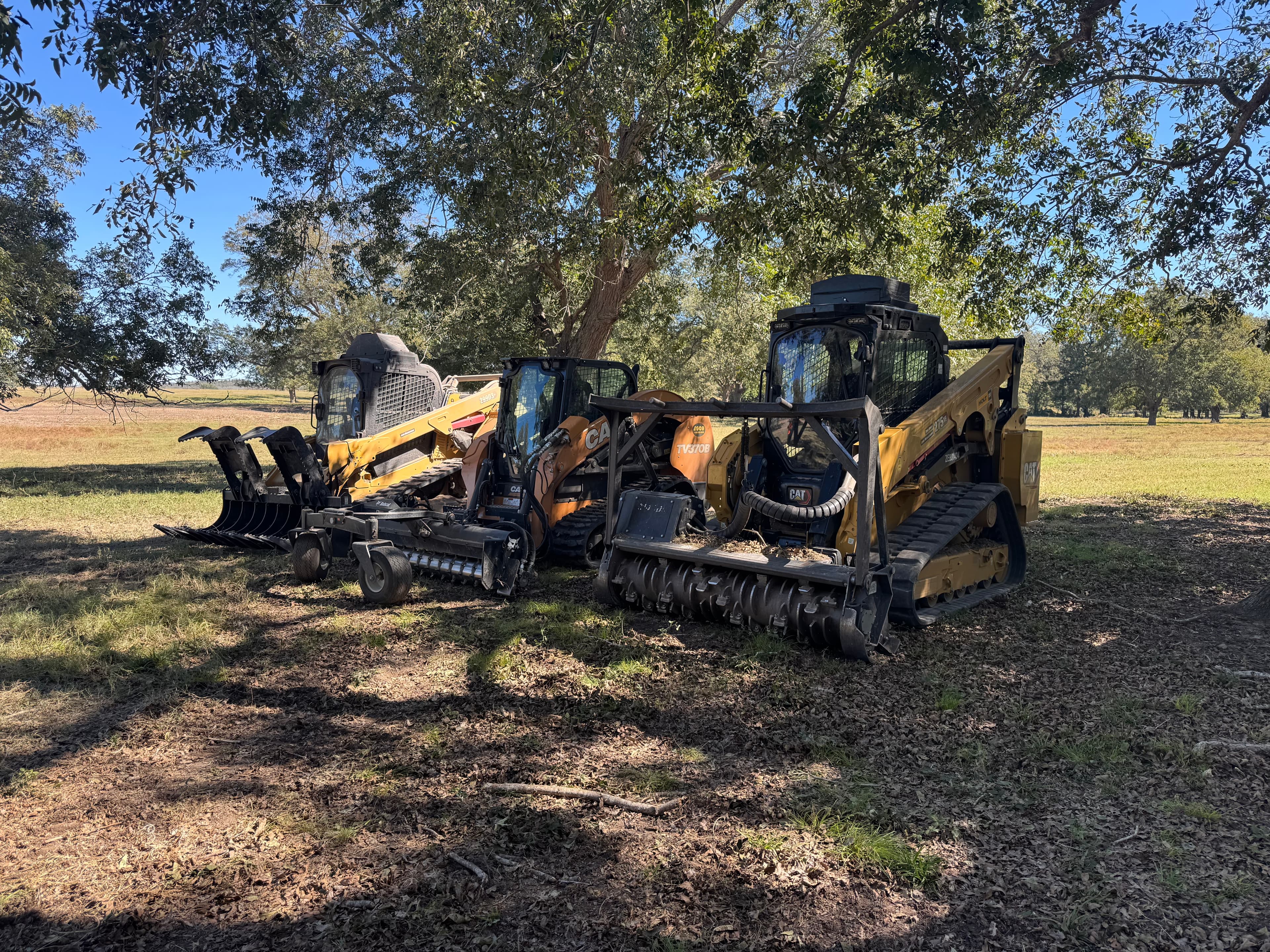
At Grounded Land Services, we evaluate the property and your goals before determining the most effective clearing method. Depending on the project, cedar removal may be performed as a dedicated cedar-clearing project or combined with forestry mulching, land clearing, tree removal, grading, excavation, or other land services.
The goal isn't simply to remove cedar — it's to give you back usable, manageable land.
Approaches to Cedar Removal
Land Clearing vs. Forestry Mulching
Cedar can be cleared from a property using different methods, but for larger cedar-removal projects, the two most common approaches are traditional land clearing and forestry mulching. Both can effectively reclaim overgrown acreage, but they produce different results. The best option depends on the density and size of the cedar, site conditions, access, and how you want the property to look and function after clearing.
Land Clearing
- Removes cedar and other vegetation with the stump from the property
- Best for more complete vegetation removal
- Ideal when preparing land for construction or development
- Vegetation can be piled, hauled, or handled separately
- Better suited for projects requiring a more thoroughly cleared site
- Can be followed by grading, excavation, or site preparation
- Best when you need the vegetation removed
Forestry Mulching
- Cuts and processes cedar and woody vegetation into mulch
- Best for reclaiming land while processing vegetation in place
- Ideal for pastures, ranches, trails, and general acreage improvement
- Material is dispersed across the cleared area as mulch
- Leaves a layer of organic material across the work area
- Often provides a finished surface that can be maintained after clearing
- Best when you want vegetation processed in place
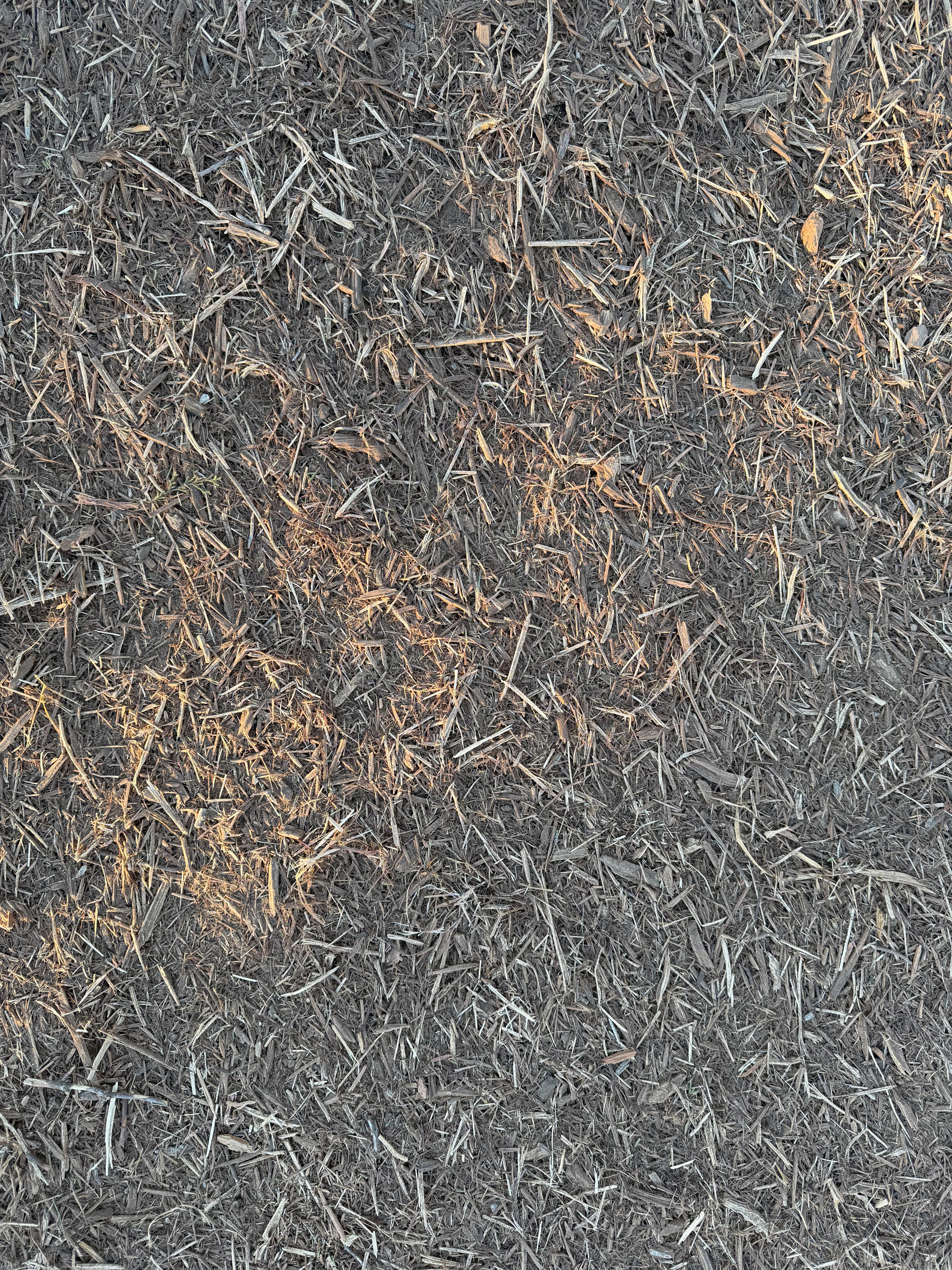
Drag the slider to compare
Choosing the Right Clearing Method
Both land clearing and forestry mulching can be effective ways to remove cedar, but the best choice depends on what you want to accomplish with the property after clearing.
Choose Land Clearing When...
- 🏡 You're preparing a homesite or building site
- 🚧 You're building a road, driveway, or access route
- 🏗️ You need the area thoroughly cleared for construction
- 🚜 You need larger trees and vegetation removed
- 🪨 The project will require grading, excavation, or site preparation
- 🗑️ You need cleared vegetation piled, hauled, or handled separately
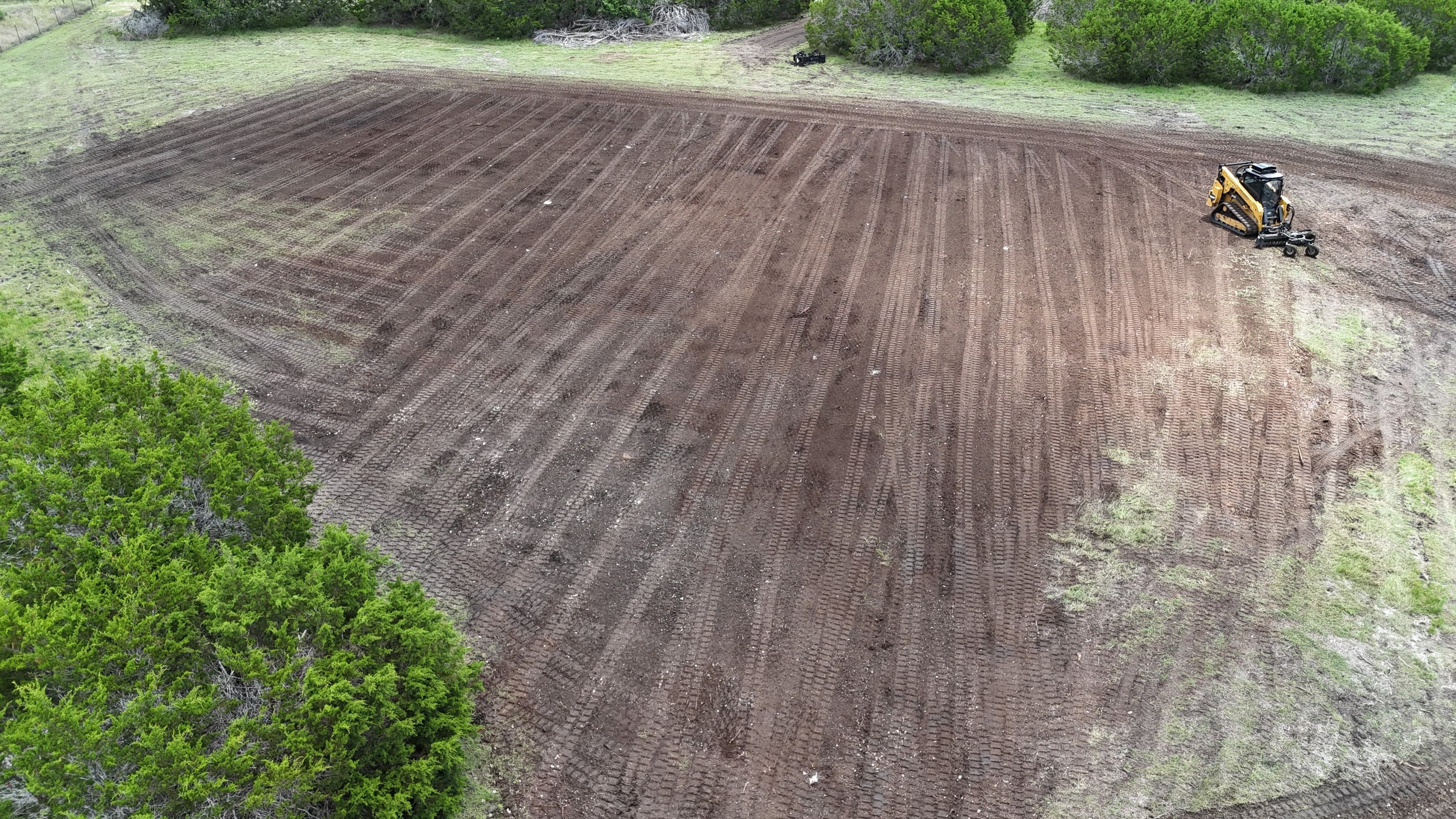
Choose Forestry Mulching When...
- 🌾 You want to reclaim overgrown acreage
- 🌳 You want to clear cedar and mixed woody vegetation
- 🌿 You want vegetation processed in place
- 🦌 You're improving ranch, recreational, or hunting property
- 🌄 You want to open up acreage, trails, or views
- ♻️ You want to avoid hauling large amounts of vegetation away
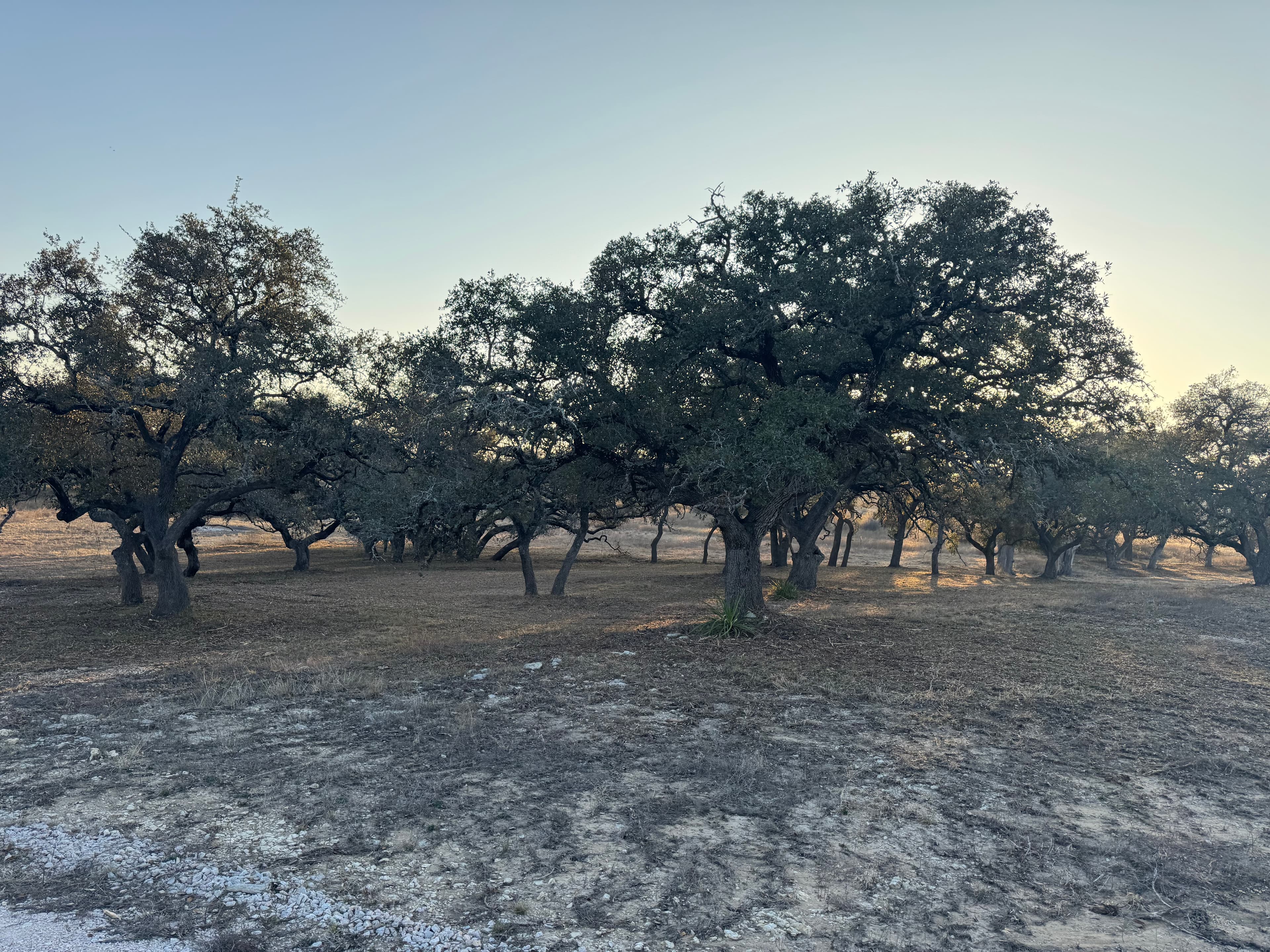
Every property is different, Grounded Land Services evaluates cedar density, tree size, terrain, and access to recommend the clearing method that actually fits your goals. Request a Free On-Site Estimate
Benefits of Cedar Removal
Dense cedar can change how a Central Texas property looks, functions, and responds to its environment. Thoughtful cedar removal can reclaim usable acreage, improve access, open views, and create more manageable land while allowing you to preserve the trees and features you want to keep. In the Texas Hill Country, managing dense cedar can also support healthier grass and groundcover, improve water availability in some settings, and reduce dense woody fuel on the property.
Reclaim Usable Land
Open up acreage that has become overgrown and difficult to access or use.
Improve Water Availability
Reducing dense cedar can allow more rainfall to reach the ground and surrounding vegetation.
Reduce Dense Fuel
Break up heavy woody vegetation and create more manageable areas around your property.
Improve Pasture
Open areas where grasses and desirable groundcover can receive more sunlight and available moisture.
Open Property Views
Clear unwanted cedar to reveal views across your pasture, acreage, and the Texas Hill Country.
Improve Access
Open up driveways, roads, trails, gates, and fence lines that have become overgrown.
Easier Property Maintenance
Create more accessible, manageable acreage for mowing, grazing, fencing, and general upkeep.
Prepare for Improvements
Clear cedar before homesites, roads, fencing, pasture improvements, or other future projects.
When You Should Choose Cedar Removal
Cedar removal can be a good fit when unwanted cedar is limiting how you use, access, or manage your property. The right approach depends on the amount of cedar, the terrain, what you want to preserve, and what you plan to do with the land afterward.
Your Pasture Is Becoming Overgrown
Choose cedar removal when cedar is gradually taking over open pasture and reducing the amount of usable grazing or open ground.
You Want to Open Your Views
If cedar is blocking views from your home, ranch, or acreage, selective removal can open sightlines while preserving desirable mature trees.
Your Property Is Difficult to Access
Cedar growing along roads, driveways, trails, gates, and fence lines can make getting around your property more difficult. Removing it can reopen important access routes.
You Want to Manage Dense Woody Fuel
If your property contains heavy, continuous cedar growth, strategic clearing can break up dense vegetation and create more manageable areas around structures, roads, and other important locations.
You're Preparing for a Future Project
Cedar removal can be the first step toward a homesite, driveway, shop, fencing, pasture improvement, road, or other property project.
You Want Selective Clearing
If you don't want your entire property cleared, cedar removal can be used to target unwanted trees while preserving mature oaks, desirable vegetation, wildlife areas, and other features.
Our Cedar Removal Process
Every property is different. We evaluate your land and goals to determine the right equipment and clearing approach for the job.
Contact Us
Tell us about your property, cedar problem, and what you want to accomplish.
Property Evaluation
We assess the cedar, terrain, access, surrounding vegetation, and site conditions.
Choose the Approach
We determine whether land clearing, forestry mulching, or a combination of services is the best fit.
Plan the Work
We identify the areas to clear and any trees, structures, fences, or features to preserve.
Clear the Cedar
Our professional equipment efficiently removes the unwanted cedar according to the project plan.
Final Pass
We review the completed area and address remaining vegetation or debris within the project's scope.
Cedar Removal Cost Factors
The cost of cedar removal depends on the property and the amount of work required. Cedar density, tree size, terrain, access, clearing method, and your desired finished result can all affect the time and equipment needed for the project. Rather than relying on a one-size-fits-all price, we evaluate the scope of work and provide project-specific pricing.
Cedar Density
Scattered cedar trees generally require less work than dense stands covering large portions of the property.
Tree Size
Larger, mature cedar trees typically require more time and equipment to remove than smaller trees.
Clearing Area
The amount of land being cleared affects the equipment time and production required to complete the project.
Terrain & Ground Conditions
Steep Hill Country terrain, rocky ground, uneven surfaces, and difficult working conditions can affect equipment productivity.
Site Access
Narrow gates, limited entry points, fences, structures, and restricted access can make equipment movement more challenging.
Vegetation Mix
Cedar mixed with larger trees, brush, or other vegetation may require a different approach than areas consisting primarily of cedar.
Clearing Method
Land clearing and forestry mulching have different equipment, production methods, and finished results.
Additional Services
Projects requiring stump removal, grading, excavation, rock removal, or site preparation may involve additional costs based on the scope of work.
Serving Central Texas Property Owners
If your property has become overgrown with cedar, mesquite, brush, or invasive vegetation, forestry mulching offers an efficient solution that restores accessibility while protecting your land. Contact Grounded Land Services today for a free estimate and learn how professional forestry mulching can transform your property.
Grounded Land Services proudly provides forestry mulching throughout Central Texas, including:
- Austin
- Bastrop
- Bee Cave
- Bertram
- Buda
- Burnet
- Dripping Springs
- Fredericksburg
- Georgetown
- Johnson City
- Kyle
- Lampasas
- Leander
- Liberty Hill
- Llano
- Marble Falls
- Round Mountain
- San Marcos
- Spicewood
- Wimberley
Don't see your city? Check out our Service Areas page or give us a call to see if we can serve your location. View Service Areas
Property Types We Serve
Cedar can become a challenge on all types of Central Texas properties, from small residential acreage to large ranches. Grounded Land Services provides cedar removal for property owners throughout the Texas Hill Country, Central Texas, and surrounding areas.
Residential Acreage
Remove unwanted cedar around homes, driveways, views, and usable portions of your property.
Ranches & Pastures
Reclaim overgrown pasture and ranch acreage affected by dense cedar growth.
Hunting & Recreational Properties
Open access, trails, views, and other areas while selectively managing unwanted cedar.
Large Acreage
Clear dense cedar across larger rural properties and reclaim land that has become difficult to access or maintain.
Homesites & Building Areas
Remove cedar from areas planned for homes, shops, barns, roads, or other future improvements.
Agricultural Properties
Clear cedar from fields, fence lines, access routes, and other areas where woody growth is interfering with property use.
Why Choose Grounded Land Services?
Choosing the right contractor can make all the difference in how your property looks today — and for years to come. At Grounded Land Services, we believe land clearing isn't just about clearing land; it's about leaving your property in better condition than we found it. From the equipment we operate to the attention we give every project, our goal is to deliver results that are clean, professional, and built to last.
From your first phone call to the final walkthrough, we're committed to providing honest communication, dependable scheduling, and quality workmanship. We show up prepared, treat your property with respect, and stand behind the work we perform.
When you hire Grounded Land Services, you're not just hiring a land clearing contractor — you're choosing a company that takes pride in leaving your land cleaner, healthier, and ready for whatever comes next.
Related Services
Licensed
Fully licensed in Texas
Insured
Fully insured for your protection
5.0 on Google (13 reviews)
Based on verified customer reviews
Customer Reviews
What Our Customers Say
“We had a fantastic experience working with Grounded Land Services! From start to finish, the communication was clear and professional. He truly listened to what we needed and followed through with care and attention to detail. He completed work both before and after the July 4th flood, and we were impressed with his consistency, reliability, and the quality of the results. Highly recommend for any land clearing or related projects.”
Jacque Mendenhall
“We really appreciate the work Logan and his team did for us at the Uhland Fall Fest. They truly helped us curate a raw, unusable piece of land that was full of cedar trees and barbed mesquite into a beautiful, picturesque parkland for families to enjoy. I highly recommend these guys. Happy to discuss my experience by phone. First-class operation!”
Christopher Durst
“I had an excellent experience with Grounded Land Services! They cleared five acres of heavy underbrush for me efficiently and thoroughly. The results exceeded my expectations! The crew was extremely professional and communicated clearly throughout the entire process. It's clear they take pride in their work. So happy with the results, would 100% recommend to anyone needing their services!”
Mckenzie Schultz
Texas
Common Questions
Frequently Asked Questions
Think about your desired finished result. If you want to reclaim overgrown acreage and process cedar and woody vegetation in place, forestry mulching may be the better option. If you need a more thoroughly cleared site for construction, a homesite, road, or other development, traditional land clearing may be more appropriate.
Cedar removal describes the goal of removing unwanted cedar, while forestry mulching is one of the methods that can be used to accomplish that goal. Forestry mulching processes cedar and other woody vegetation into mulch in place. Traditional land clearing physically removes vegetation from the work area and may include additional site preparation.
Yes. Your goals should guide the clearing plan. If you're unsure where to begin, we can evaluate the property and discuss the areas you want opened, the vegetation you want preserved, and how you intend to use the land.
Yes. Cedar removal can be the first step before building a home, shop, barn, driveway, road, or other improvement. Depending on the project, additional land clearing, excavation, grading, rock removal, or site preparation may also be necessary.
Site PreparationYes. Cedar removal is often part of a larger property improvement project. Depending on the property, services may include forestry mulching, land clearing, underbrushing, fence line clearing, tree and stump removal, rock and cactus removal, excavation, grading, or site preparation.
View All ServicesMany Hill Country properties can be cleared despite challenging terrain, but slope, rock, soil conditions, access, and equipment limitations must be evaluated before work begins. Difficult terrain can affect production and may require a different clearing approach.
Traditional land clearing may be the better choice when you need a more thoroughly cleared site for a homesite, building area, road, driveway, construction project, or other improvement. It can also be appropriate when vegetation and stumps need to be handled separately rather than processed in place.
Traditional Land ClearingRemoving existing cedar does not permanently prevent new cedar seedlings from becoming established. Long-term control requires ongoing property management. Keeping cleared areas accessible, monitoring for new seedlings, and addressing new growth before it becomes established can help maintain the results of a clearing project. The best long-term approach depends on your property, vegetation, land use, and how aggressively you want to maintain cleared areas.
When site conditions allow, cedar can be selectively removed while preserving desirable mature oaks and other trees. Before work begins, areas and features you want preserved should be identified so the clearing approach can be planned accordingly.
Not necessarily. Cedar removal can be selective. You may want to remove dense stands while preserving mature oaks, desirable vegetation, wildlife areas, shade trees, or other features. The right balance depends on how you plan to use and manage the property.
Yes. Forestry mulching can be an efficient option for reclaiming acreage covered in cedar and other woody vegetation. The mulcher processes the vegetation into mulch directly on the property, reducing the need to pile and haul large quantities of material away.
It depends on the clearing method. With forestry mulching, cedar and other woody vegetation is processed into mulch and distributed across the work area. With traditional land clearing, vegetation can be handled separately depending on the project's scope and desired finished condition.
Forestry mulching primarily processes the above-ground vegetation. It does not typically excavate the entire root system. If complete stump or root removal is required, traditional land clearing or additional stump-removal work may be more appropriate.
That depends on your goals for the property. Some owners simply want to reclaim access and maintain open acreage. Others may want to establish pasture, build a road, install fencing, create trails, or prepare a homesite. Additional services such as grading, site preparation, excavation, rock removal, or ongoing vegetation management may be appropriate.
Start by determining how you want to use the property. Identify areas you want to preserve, areas you want opened, existing access routes, structures, fences, desirable trees, and locations where cedar is limiting your ability to use the land. From there, Grounded Land Services can evaluate the property and help determine whether selective cedar removal, forestry mulching, traditional land clearing, or a combination of services makes the most sense.
Strategic cedar removal can reduce dense woody fuel and create breaks between heavily vegetated areas. This can be particularly useful around homes, driveways, roads, and other important areas. Cedar removal is only one part of wildfire preparedness, however, and overall fire behavior depends on weather, terrain, fuel conditions, and other factors.
Cedar is native to much of Central Texas and is well adapted to the region's climate, soils, and rocky terrain. Under the right conditions, it can become dense across pastures, ranches, hillsides, fence lines, and undeveloped acreage.
Contact Grounded Land Services and tell us about your property, approximate acreage, cedar density, location, and what you want to accomplish. We'll help you understand your options and determine whether cedar removal, forestry mulching, traditional land clearing, or a combination of services is the right fit for your property.
Request a Free QuoteThere isn't one ideal time for every property. Weather, soil conditions, terrain, accessibility, vegetation, and the type of clearing being performed can all affect project timing. Favorable ground conditions can help equipment operate efficiently and reduce unnecessary ground disturbance.
No. Strategic clearing can often accomplish your goals without removing every tree. You may only need to clear certain pastures, access routes, fence lines, views, areas around structures, or future development sites.
The best way to clear cedar depends on the amount of cedar, tree size, terrain, access, surrounding vegetation, and what you want the property to look like afterward. For larger properties, the two primary mechanical approaches are forestry mulching and traditional land clearing. Forestry mulching cuts and processes cedar and other woody vegetation into mulch in place, making it useful for reclaiming overgrown acreage. Traditional land clearing removes vegetation from the work area and is often better suited for homesites, roads, construction areas, and projects requiring a more thoroughly cleared site. For selective projects, individual cedar trees can also be targeted while preserving desirable oaks, vegetation, structures, and other features.
Large cedar-covered properties are typically cleared using specialized land-clearing equipment rather than removing trees individually by hand. Depending on the property and desired result, forestry mulching can process cedar and other woody vegetation directly into mulch, while traditional land clearing can remove vegetation from areas that need to be more thoroughly cleared. Large projects are generally planned around cedar density, tree size, terrain, access, desirable vegetation, structures, fences, and the intended use of the cleared land.
Yes. Cedar can be removed around homes, shops, barns, driveways, fences, and other structures when the site can be safely accessed. The location of the trees, structures, utilities, terrain, and equipment access all factor into how the work is performed.
Yes. Cedar removal can open overgrown fence lines and make property boundaries easier to inspect, repair, maintain, or prepare for new fencing.
Fence Line ClearingThere isn't one method that is best for every property. The two primary approaches are forestry mulching and traditional land clearing. Forestry mulching processes cedar and other woody vegetation into mulch in place, while traditional land clearing is better suited to projects where vegetation needs to be removed for a more thoroughly cleared site.
Forestry MulchingCedar can return after clearing because new seedlings can become established over time. If you want to keep an area open long-term, ongoing property maintenance is important. The amount of regrowth depends on site conditions and how the property is managed afterward.
Yes. Selective cedar removal can target specific trees or areas while preserving desirable trees and vegetation. This is useful when you want to open views, improve access, reclaim pasture, or clear around structures without completely changing the character of the property.
There is no single price that applies to every cedar removal project. Cost can vary based on cedar density, tree size, clearing area, terrain, access, vegetation mix, clearing method, desired finished condition, and additional services required.
Project duration depends on the size of the clearing area, cedar density, tree size, terrain, access, clearing method, and desired finished condition. A small selective project may take considerably less time than a large acreage project with dense cedar.
Dense cedar stands can use substantial amounts of water. Ashe juniper intercepts rainfall and uses water through transpiration. Reducing dense cedar can allow more precipitation to reach the ground and, depending on site conditions, potentially increase water availability for surrounding vegetation, runoff, and groundwater recharge. The actual effect varies based on rainfall, soil, terrain, vegetation, and other site conditions.
The answer depends on what you want the property to look like after the work is finished. Choose forestry mulching when your goal is to reclaim overgrown acreage while processing cedar and woody vegetation in place. Choose traditional land clearing when you need a more thoroughly cleared site and vegetation needs to be removed for a homesite, construction area, road, driveway, or other project. If you're primarily trying to improve pasture, access, views, or general property usability, forestry mulching may be a practical option. If you're preparing for construction or development, traditional land clearing may make more sense.
Cedar is a natural part of the Central Texas landscape, so it isn't inherently bad. The issue is often density and location. Dense cedar can reduce usable pasture, obstruct access and views, compete with grasses and other vegetation for available resources, and create heavy woody vegetation that can be difficult to manage.
Acreage can be a factor in pricing, but it doesn't tell the whole story. Two properties with the same acreage can require very different amounts of work depending on cedar density, tree size, terrain, access, and ground conditions.
Small numbers of cedar trees may be manageable with appropriate tools and experience, but large or dense cedar stands are a very different job. Larger projects can involve heavy trees, uneven or rocky terrain, fences, structures, equipment access, and other hazards. Professional land-clearing equipment can also make large-scale cedar removal substantially more efficient than attempting to remove every tree manually. If you're dealing with significant acreage or dense cedar, having the property evaluated before beginning can help determine the safest and most efficient approach.
Grounded Land Services focuses on Central and South-Central Texas, including the Austin metro, Texas Hill Country, and communities extending toward the San Antonio area. If you're unsure whether your property is within our service area, contact us with your location and project details.
View Service AreasCedar removal is the process of removing unwanted cedar trees from a property to reclaim usable land, improve access, open views, manage dense vegetation, or prepare an area for another use. In Central Texas, "cedar" commonly refers to Ashe juniper. Cedar removal can range from selectively removing individual trees to clearing dense stands across larger areas.
Ready to get started with cedar tree removal?
Fill out the “Request a Quote” form below!
Or give us a call for immediate assistance!